
A meditative tool for the collective exploration of complex feelings around climate change, based on contemplative practices of nature, mindfulness, and community to activate personal change.

Earthling Meditations:
A. Morgan McKendry (USA), Edward Hutchins (Singapore), Li Actuallee (India) & Shahrukh Khan (Pakistan)
Mentor: Meredith Thomas (Germany)
Concept Note
This project focuses on the emotional and mental health impact of climate change. Instead of arguing with reason and numbers, we try to approach our audience with concern and care. At the centre of this experience is empathy and regeneration as modes of transformation. Although fear and anger can be effective drivers for change, existing in ‘fight-or-flight’ mode is not productive long-term.
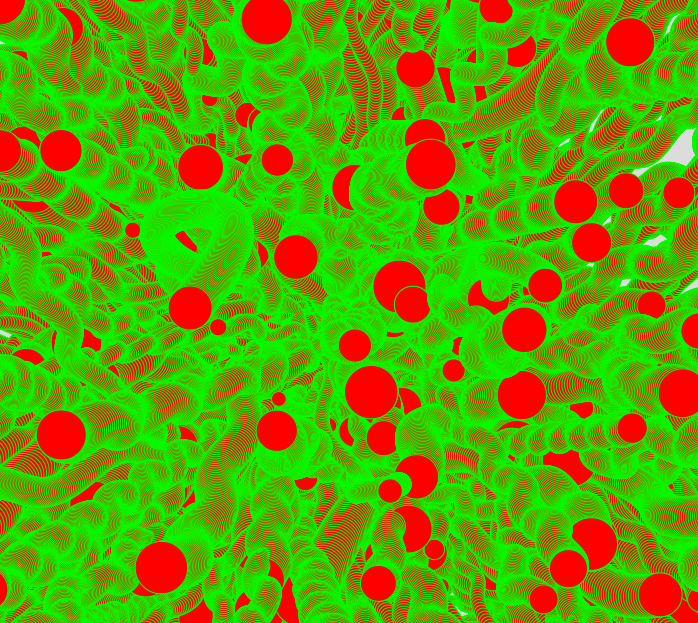
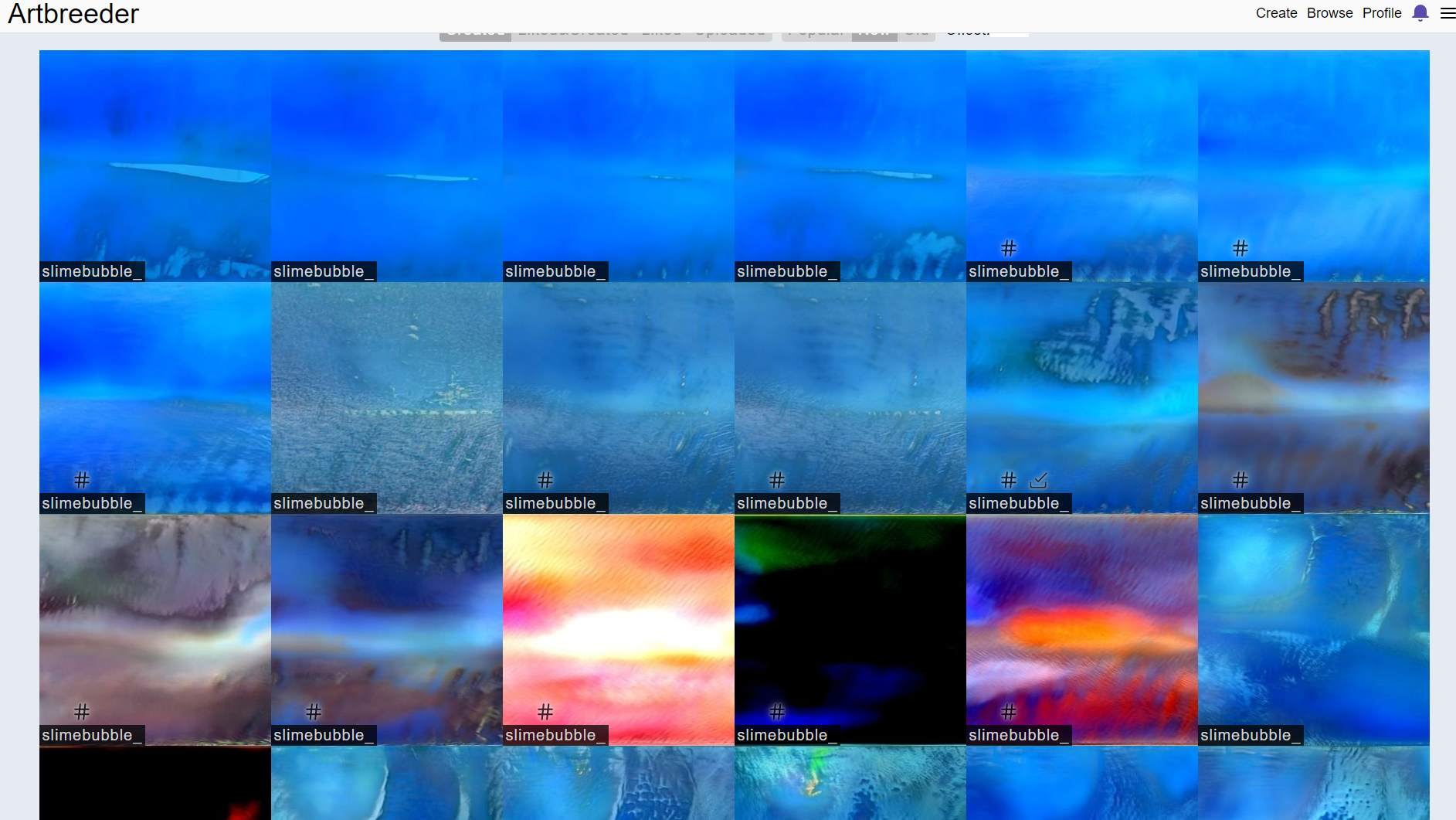
Our hope is to facilitate a healing space for the existential dread we all inevitably feel. Informed by meditation practices and meditative visualizations, we use ML-generated text-based prompts, combined with interactive visuals and sounds to guide the viewers through a holistic journey.
We aim to help them process their feelings surrounding the current climate emergency. Most importantly, by playing voice notes of previous participants, and allowing the viewer to record their own, the crux of this project is sharing the message “You are not alone”.
PROJECT LINK: http://ifyouthinkabout.me/
INTENDED AUDIENCE: “We need a regenerative culture; creating a culture which is healthy, resilient, and adaptable.” This affirms the revitalizing quality of what movements should be; yet, why are so many activists facing ‘burnout’ from the sheer force of their activism? And for those of us who aren’t activists, why is it so difficult to contribute?
This project is in honour of those who feel the weight of the world on their shoulders, for climate activists, scientists, and change-makers who need to heal; for those who feel helpless in the face of the emergency. By providing a digital/immersive space to process feelings and traumas, the audience’s journey continues with a renewed sense of connection and belonging.
Detailed Description
It is our hope to provide a transformative emotional experience that empowers our audience. We are positioned at a unique point in history wherein we can work with machines beyond using them as mere tools, mediums, or materials but as collaborators. There is no single nor simple solution in addressing climate change but machines can become allies in connecting us with one another and sharing the weight of our circumstances. If we come to one another with a bright vision of the future, we can transform our realities and our shared planetary home together.
We seek to acknowledge the valid feelings of fear, loneliness, grief, and hopelessness around the climate crisis by giving ourselves permission to feel and validate those feelings in ourselves and others; taking shame, guilt, and apathy out of the equation through empathy. Providing meditation to find attunement with ourselves, as a way to be more compassionate to the world that we occupy, as well as to assist in calming the nervous system to envision and enact constructive change in the world.
As Margret Salamon writes in Facing the Climate Emergency: “Feeling your feelings and practising self-compassion allows you to access a greater range of feelings about the climate crisis. Living in climate truth means facing the truth of the climate and ecological emergencies emotionally, telling this truth publicly and privately, and allowing this truth to guide our actions” (Salamon & Gage, 2020, pg. 42).
Bibliography, References and Tech Stack
Anand, Kunal. Waves. Drawings on paper, pen and ink.
Baker, Willa B. 2020. “5 Buddhist Practices to Help Tackle Climate Change.” Lion’s Roar: Buddhist Wisdom for Our Time. https://www.lionsroar.com/5-practices-to-help-you-skillfully-contemplate-climate-change/.
Giant Squid Studios. ABZÛ. PlayStation 4, Microsoft Windows, Amazon Luna, Nintendo Switch, Xbox One. 2016.
Haraway, Donna Jeanne. 2004. The Haraway Reader. New York: Routledge.
Hasenfratz, Martina, and Sighard Neckel. 2021. “Climate emotions and emotional climates: The emotional map of ecological crises and the blind spots on our sociological landscapes.” Social Science Information (SSI) 60 (2): 253-271. https://journals.sagepub.com/doi/pdf/10.1177/0539018421996264.
Henriques, Martha. 2019. “Climate Emotions: How climate change affects mental health.” BBC. https://www.bbc.com/future/article/20190911-climate-emotions-how-climate-change-affects-mental-health.
Hester, Helen. 2018. Xenofeminism.
Lertzman, Renée. “How to turn climate anxiety into action.” Filmed December 2019 in Palm Springs, CA. TED video, 13:48. https://www.ted.com/talks/renee_lertzman_how_to_turn_climate_anxiety_into_action#t-285.
Russell, Legacy. 2020. Glitch feminism: a manifesto. London: Verso.
Salamon, Margaret Klein, and Molly Gage. Facing The Climate Emergency. 2020.
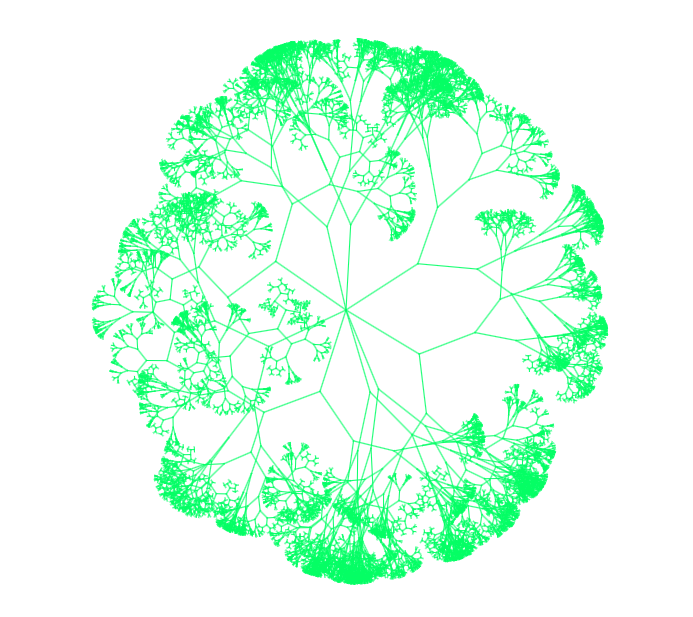
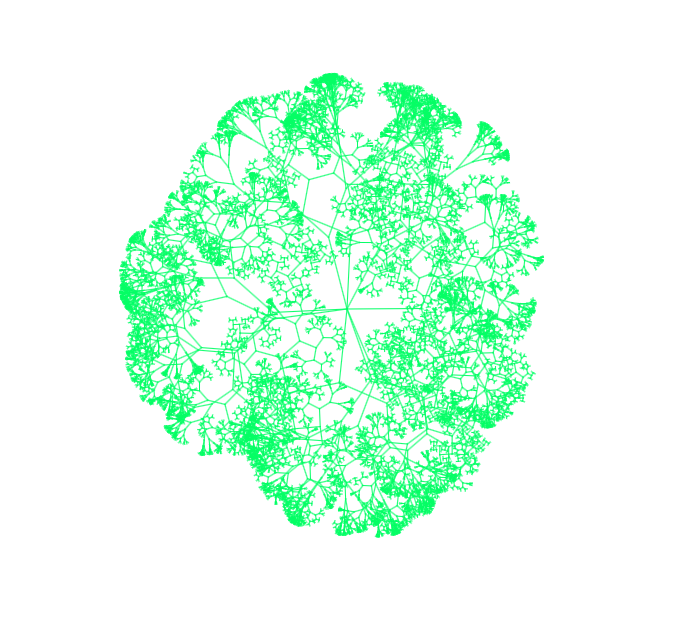
Shiffman, Daniel. Processing (Version 4+) [Source code]. Recursive Tree.
Steyerl, Hito. Liquidity Inc., 2014 (still). HD video file, single-channel in architectural environment, 30 minutes.
Thatgamecompany. Journey. Thatgamecompany, Santa Monica Studio, Tricky Pixels. PlayStation 4, iOS, Microsoft Windows, PlayStation 3. 2012.
Trancentral. 2020. “Mushrooms plying Synthesizers.” YouTube. https://www.youtube.com/watch?v=C2t-xGAg7-w.
Wired. 2020. “How This Guy Uses A.I. to Create Art | Obsessed | WIRED.” YouTube. https://www.youtube.com/watch?v=I-EIVlHvHRM&t=8s.
XR. “Our Values.” Extinction Rebellion. https://rebellion.global/about-us/.
Zano, Romiina. 2012. “Encounters At The End of the World- Holy Diver.” YouTube. https://www.youtube.com/watch?v=aVtj_dQvVUM&t=281s.
Intended Technology & Integrated Tools
We plan to create an interactive online experience through the use of p5.js. P5.js allows us to create generative visualizations as the viewer passes through the experience while also allowing us to integrate other formats of media such as images, video, and sound.
Parts of the journey will also include text, based on the meditations we guide our viewers through. This text will be generated using GPT3 technology based on inputs of actual meditations and curated into a set of phrases that will appear to the viewer guiding them through their journey.
Interactivity
We aim to make the experience as interactive as possible by exposing the viewer to different journeys, meditations, text, and visuals based on their interactions. We hope these interactions will allow the viewer to have a unique experience each time they pass through.
Initially, at the start of the viewer’s journey, they will provide input by using their mouse to provide their current feeling or mood based on the sound that plays based on the mouse location on the screen. That input decides the type of meditation they will receive; at this stage in our development, either a grounding or acceptance-themed meditation.
Later on, in the viewer’s journey, we will use audio input from the viewer’s microphone to change the input values of the generative visuals. We will use the volume and sound spectrum captured to change elements of the generative visuals created, for example, size, colour, speed, and shape.
#MENTALHEALTH #MINDFULNESS #MEDITATION #PLANETCHANGE #VISUALIZATION #EMOTIONS #GROUNDING #ACCEPTANCE